RV Brands Lemon Law Claims California: 2026 Guide

California’s Song-Beverly Consumer Warranty Act gives RV owners the right to a full refund or replacement when a manufacturer fails to fix a substantial defect after a reasonable number of repair attempts. RV brands lemon law claims in California are more complex than standard auto claims because most RVs involve multiple manufacturers covering different components under separate warranties. Recent procedural changes under AB 1755, effective january 2025, added new filing deadlines and mandatory pre-suit steps that can end your claim before it starts if you miss them. Understanding which brand is responsible for your specific defect is the single most important factor in winning your case.
1. How does California lemon law apply to RV brands with multiple manufacturers?
California’s Song-Beverly Act covers motorhomes (Class A, Class B, and Class C), travel trailers, and fifth wheels purchased for personal use. The law requires manufacturers to repair, replace, or refund a defective RV when a substantial defect cannot be fixed after a reasonable number of attempts.
The core complication with RVs is that no single manufacturer builds the entire unit. A Class A diesel pusher, for example, may carry a Freightliner chassis warranty, a Cummins engine warranty, and a separate coach warranty from Newmar or Tiffin covering the living area, slide-outs, and electrical systems. Each manufacturer covers different components, and proper notice must usually be sent to each one separately.
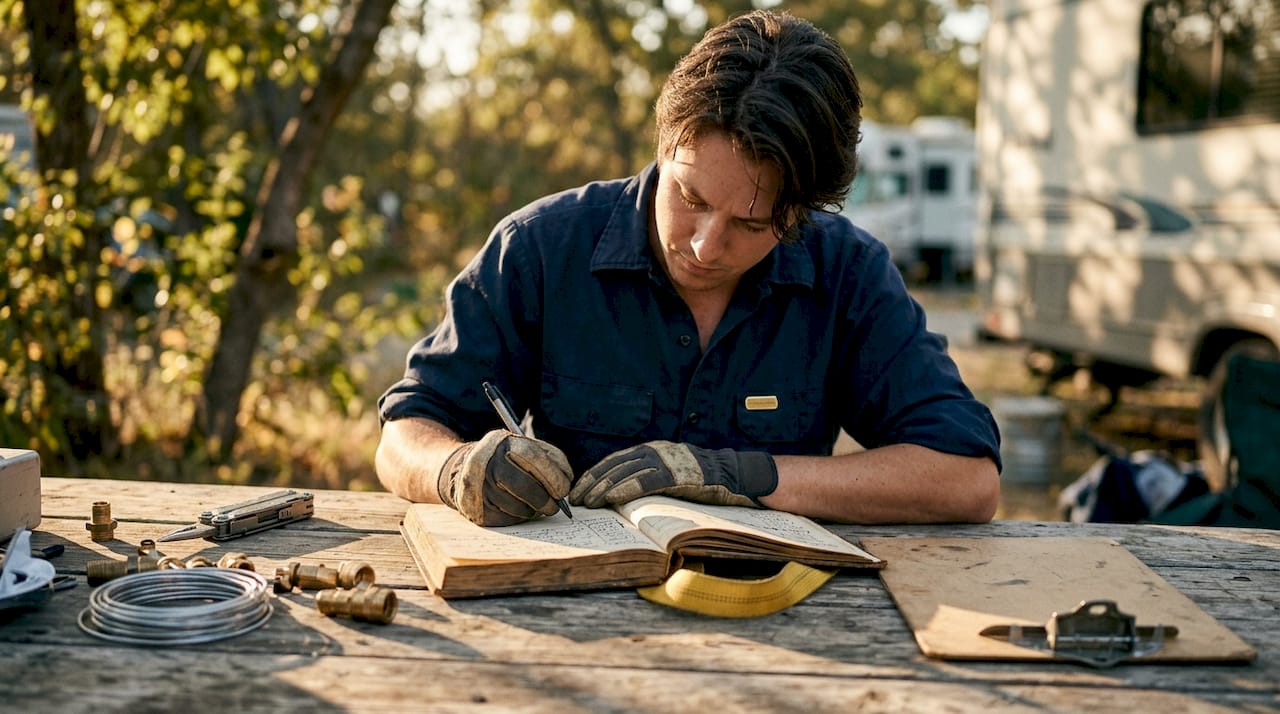
This structure creates a real trap for owners. If your slide-out fails repeatedly, the coach builder (say, Winnebago or Forest River) is the responsible party, not Ford, even though Ford built the chassis. Sending your repair demand to the wrong manufacturer can result in denial. Tracking repair attempts under each manufacturer’s warranty is not optional. It is the foundation of a valid claim.
Pro Tip: Keep a separate repair log for each manufacturer’s warranty from day one. Note the date, mileage, the specific component, and the dealer or service center that performed the work. This documentation is what separates winning claims from denied ones.
2. What are the key deadlines and procedural requirements under AB 1755?
AB 1755 is the most significant change to California lemon law in years, and it directly affects RV owners filing claims in 2026. Claims must be filed within one year after the express warranty expires and no later than six years from the date of delivery, for manufacturers that have opted into the new track.
For manufacturers that have not opted in, the traditional four-year statute of limitations still applies. Checking whether your RV’s manufacturer has opted in is a necessary first step before you do anything else.
The procedural requirements for opted-in manufacturers include:
- 30-day pre-suit written notice: Since january 2025, you must send written notice to the manufacturer before filing. The notice must identify the vehicle, describe the defect, summarize the repair history, and request a remedy.
- Manufacturer response window: The manufacturer has 30 days to respond to your notice and offer a resolution.
- Mandatory mediation: If the manufacturer opts in and does not resolve the claim, mediation is required within 150 days of the manufacturer’s response.
- Documentation of all repairs: Every repair visit must be logged with dates, mileage, and the specific defect addressed.
Missing the pre-suit notice requirement alone can get your case dismissed. The one-year filing window after warranty expiration is a hard deadline for opted-in manufacturers. Do not assume you have more time than you do.
Pro Tip: Request a copy of every repair order the day you pick up your RV from the shop. Do not rely on the dealer to keep accurate records. Manufacturers have been known to dispute repair histories when owners cannot produce their own documentation.
3. Major RV brands and how their lemon law claims typically proceed
The major coach builders active in California include Thor Industries, Winnebago Industries, Forest River (a Berkshire Hathaway company), Newmar, Tiffin Motorhomes, and REV Group. On the chassis side, Ford, Mercedes-Benz (Sprinter), and Freightliner Custom Chassis are the primary manufacturers.
Each brand handles warranty claims differently, and knowing those differences shapes your strategy.
- Thor Industries brands include Airstream, Keystone, and Heartland, among others. Thor’s warranty claims often involve disputes between the coach warranty and component supplier warranties, particularly for electrical systems and slide-out mechanisms.
- Winnebago Industries covers both motorhomes and towables. Winnebago’s service network is relatively organized, but owners frequently report delays in parts availability that push out-of-service time past the qualifying 30-day threshold.
- Forest River produces a wide range of price points, from entry-level travel trailers to Class A motorhomes. Claims against Forest River often involve water intrusion, structural defects, and electrical failures.
- Newmar and Tiffin occupy the luxury segment. Their claims tend to involve complex electronic systems, air suspension failures, and slide-out malfunctions. Both brands have California-authorized service centers, but repair timelines can be long.
- REV Group manufactures American Coach and Fleetwood RV products. Chassis defects on REV Group units often involve Freightliner, which carries its own separate warranty.
- Ford and Mercedes-Benz chassis: Class B campervans built on the Mercedes-Benz Sprinter platform and Class C motorhomes on the Ford E-Series or Transit chassis require separate warranty claims directed at the chassis manufacturer for engine, drivetrain, and brake issues.
RV lemon law claims settle more often through pre-suit demand or mediation than through trial. California’s attorney fee recovery provision and civil penalty exposure make manufacturers prefer early resolution. That dynamic works in your favor when your documentation is solid.
4. What defects commonly qualify for RV lemon law claims in California?
A qualifying defect under the Song-Beverly Act must substantially impair the RV’s use, value, or safety. Cosmetic issues and minor annoyances do not meet that standard. The defect must be real, documented, and persistent.
Frequent qualifying defects include:
- Brake system failures: Persistent brake fade, ABS malfunctions, or brake line defects that affect stopping ability qualify as safety-critical defects.
- Engine stalls and drivetrain failures: Repeated stalling, loss of power, or transmission failures that affect drivability are among the strongest qualifying defects.
- Electrical system malfunctions: Faulty wiring, inverter failures, and 12-volt system shorts that affect multiple coach systems qualify, especially when they recur after repair.
- Slide-out mechanism failures: Slide-outs that fail to extend or retract reliably impair the RV’s use and qualify when the problem persists across multiple repair attempts.
- Water intrusion and structural defects: Roof leaks and wall delamination that cause ongoing damage qualify when the manufacturer cannot achieve a lasting repair.
- Significant out-of-service time: Cumulative out-of-service time of 30 days or more is a strong indicator of a qualifying claim, even outside the 18-month/18,000-mile presumption window.
The 18-month/18,000-mile presumption is a floor, not a ceiling. Claims outside that window can still succeed, particularly when the defect poses a safety risk or the RV has spent significant time in the shop. For a detailed breakdown of defect categories specific to motorhomes, the common defect categories page covers the six most frequently litigated issues in California.
Owners of fifth wheels should also review common fifth wheel defects that have supported successful claims, since towable RVs carry their own distinct failure patterns.
Key Takeaways
California RV lemon law claims succeed when owners document every repair attempt by manufacturer, meet AB 1755 deadlines, and correctly identify which brand is responsible for the specific defect.
| Point | Details |
|---|---|
| Multi-manufacturer structure | Track repair attempts separately for the chassis, coach, and component warranties. |
| AB 1755 filing deadline | File within one year of warranty expiration for opted-in manufacturers, or lose your claim. |
| 30-day pre-suit notice | Send written notice identifying the defect and repair history before filing any lawsuit. |
| Qualifying defects | Brake failures, engine stalls, slide-out malfunctions, and 30-plus days out of service are the strongest grounds. |
| Recovery options | The Song-Beverly Act entitles you to a full refund, replacement, or cash settlement plus attorney fees. |
What I’ve learned after 25 years on both sides of these cases
I spent 11 years defending manufacturers and dealerships before I switched sides. That experience taught me something most RV owners never hear: manufacturers do not fight every claim equally. They fight the ones where the owner’s documentation is weak.
The most common mistake I see is treating the RV as one unit. Owners send one demand letter to one manufacturer, and the manufacturer points to a different warranty. That finger-pointing is not accidental. Component finger-pointing is a deliberate defense strategy, and it works when the owner cannot prove which manufacturer’s warranty covers the defective part.
The second mistake is waiting. AB 1755 shortened the clock significantly for opted-in manufacturers. I have seen valid claims die because the owner assumed the four-year statute still applied. It does not, if your manufacturer opted in.
The third mistake is underestimating what you can recover. The Song-Beverly Act entitles you to a full refund of every payment made, including sales tax and registration fees. If the manufacturer willfully ignored its warranty obligations, you can recover a civil penalty of up to two times your actual damages. That is real money, and manufacturers know it.
My advice: document everything, act early, and do not try to navigate a multi-manufacturer RV claim without someone who knows how the defense side builds its case.
— Jeff Le Pere
RV lemon law help from The Law Offices of Jeffrey Le Pere
California RV lemon law claims are among the most technically demanding consumer protection cases in the state. The Law Offices of Jeffrey Le Pere focuses specifically on California RV lemon law for motorhomes, fifth wheels, and travel trailers, the category most law firms decline because of the multi-manufacturer complexity.
Every case runs on contingency. You pay nothing out of pocket because the manufacturer covers attorney fees when you win. Jeff Le Pere personally handles each case, not a case manager. If your RV has persistent defects and you are not getting answers from the manufacturer, a free case review with The Law Offices of Jeffrey Le Pere takes less than 15 minutes and tells you exactly where you stand.
FAQ
Does California lemon law cover travel trailers and fifth wheels?
Yes. The Song-Beverly Consumer Warranty Act covers travel trailers and fifth wheels purchased for personal use, as long as the defect substantially impairs the unit’s use, value, or safety.
What is the filing deadline under AB 1755 for RV lemon law claims?
For manufacturers that have opted into the AB 1755 track, you must file within one year after the express warranty expires and no later than six years from the delivery date.
How many repair attempts are required before I can file a lemon law claim?
California law requires a reasonable number of repair attempts. The 18-month/18,000-mile presumption provides a baseline, but claims outside that window can still qualify based on safety risk or significant out-of-service time exceeding 30 days.
Which manufacturer do I file my RV lemon law claim against?
You file against the manufacturer whose warranty covers the defective component. For engine or drivetrain issues, that is typically the chassis manufacturer (Ford, Freightliner, or Mercedes-Benz). For slide-outs, electrical systems, or coach structure, the claim goes to the coach builder (Thor, Winnebago, Forest River, or others).
What can I recover in a successful California RV lemon law claim?
A successful claim entitles you to a full refund of all payments made, including sales tax and registration fees, or a replacement vehicle. If the manufacturer willfully violated its warranty obligations, you may also recover a civil penalty of up to two times your actual damages, plus attorney fees.