AB 1755 One Year Rule: CA Forest River Lemon Law, 25 Years’ Experience
If your Forest River motorhome, fifth wheel, or travel trailer has been in and out of the shop for the same defect, California law likely gives you a path to a refund, a replacement, or a cash settlement. The first step is not calling Forest River again. It is documenting everything, refusing any request to sell or trade the RV, and speaking with a California RV lemon law attorney before your warranty window closes.
TL;DR:
- Most claims involve recurring electrical issues, water intrusion, or engine failures that persist after multiple repair attempts.
- Filing deadlines are strictly tied to your warranty expiration and usually require filing within one year of it ending, or risk losing your claim.
- Strong documentation—including repair records, photos, and correspondence—significantly enhances your chances of winning and reducing overall case time.
- Reaching a settlement often depends on thorough record-keeping, with most disputes settling within a few months to a year.
- The best approach involves early legal consultation, as reputable attorneys pursue cases on contingency, costing owners nothing upfront.
Table of Contents
- Does the Forest River Lemon Law Cover Your RV?
- What Can You Recover From a Forest River Lemon Law Claim?
- What Deadlines Apply to a Forest River Lemon Law Claim?
- How Do You Document a Forest River Defect for a Claim?
- When Should You Call a California RV Lemon Law Attorney?
- How Long Does a Forest River Lemon Law Claim Take?
- What Does a Forest River Lemon Law Claim Cost?
- What Defenses Do Forest River and Dealers Commonly Raise?
- How Do You Negotiate a Settlement With Forest River or a Dealer?
- Attorney Perspective: How Defense-Side Experience Helps Forest River RV Owners
- How The Law Offices of Jeffrey Le Pere Handles Forest River Claims
- Sources
- FAQ
Does the Forest River Lemon Law Cover Your RV?
Yes. California’s Song-Beverly Consumer Warranty Act specifically covers motorhomes and travel trailers, not just cars and trucks. Forest River owners qualify under the same statute that protects Ford or Toyota buyers, but the mechanics of an RV claim are more complicated because a single unit often carries two separate warranties from two separate companies.
The chassis warranty covers the engine, transmission, and drivetrain, and it usually comes from whoever built the chassis, such as Ford, Freightliner, or Mercedes-Benz. The coach warranty covers everything Forest River itself builds and installs: slide-outs, leveling jacks, plumbing, electrical systems, and appliances. Forest River is regularly named in California Song-Beverly claims tied to coach-level defects, which means your claim might run against Forest River, the chassis manufacturer, or both at once.
That split matters because a repair shop can bounce your RV back and forth for months, blaming the “other” manufacturer while nobody actually fixes the problem. Cumulative days out of service across both warranty claims still count toward your case.
Certain defect patterns show up again and again in Forest River disputes:
- Recurring electrical failures that cause dead batteries, faulty converters, or intermittent power loss to slide-outs and appliances.
- Slide-out mechanisms that jam, leak, or fail to seal properly after repeated repair attempts.
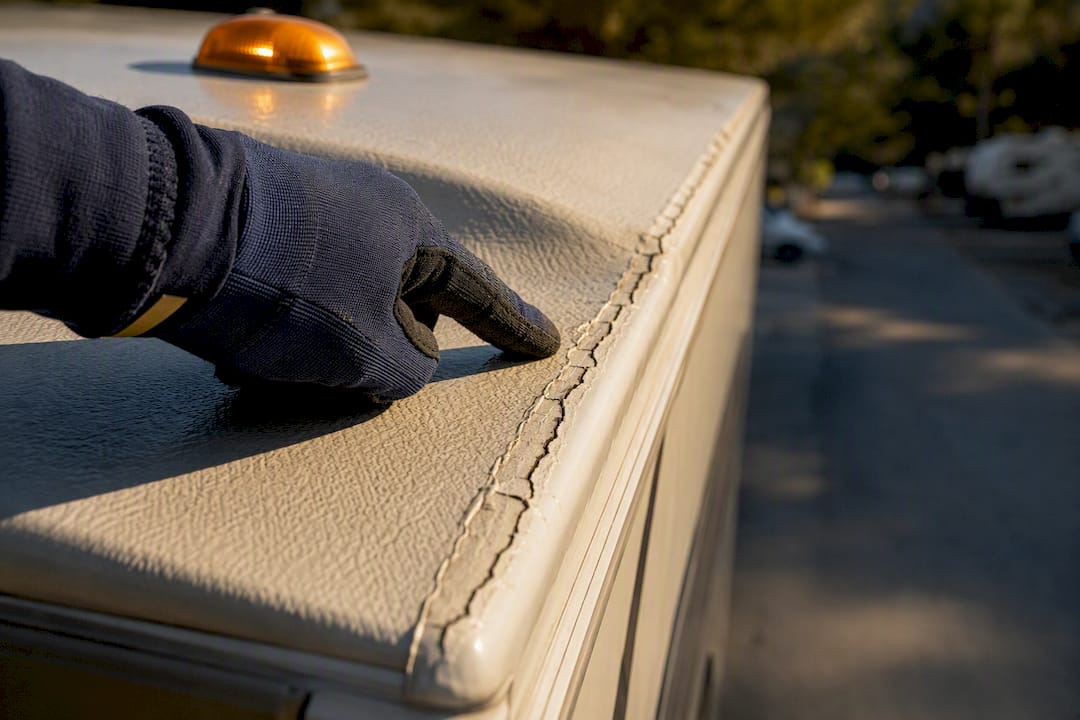
- Water intrusion around roof seams, windows, or slide-out gaskets, often leading to hidden wood rot.
- Engine or transmission failures on the chassis side that persist after multiple dealer visits.
If any of these sound familiar and the same problem has come back after repair, you’re likely looking at a qualifying defect rather than routine RV maintenance. The 8 common defects in fifth wheel trailers that show up in California claims track closely with this list.
What Can You Recover From a Forest River Lemon Law Claim?
You can typically recover a full repurchase, a replacement unit, or a cash settlement, plus civil penalties in cases of willful warranty violations. A repurchase means Forest River (or the responsible manufacturer) buys back the RV for the purchase price, minus a mileage or usage offset calculated under a statutory formula tied to the number of miles or days you had it before the first repair attempt.
A replacement RV is less common but available when both sides agree a comparable new unit resolves the dispute better than a buyback. Cash settlements happen frequently and their value depends on the severity of the defect, how many repair attempts were made, and how many total days the RV sat out of service.
Civil penalties of up to two times your actual damages are available when a manufacturer knew about the defect and willfully refused to comply with its warranty obligations. Reaching that penalty usually requires a written pre-suit demand and giving the manufacturer a statutory window, commonly 30 days, to respond before penalties attach.
What Deadlines Apply to a Forest River Lemon Law Claim?
The most urgent deadline is AB 1755, which ties your filing window to a limited period after your warranty expires rather than allowing years of open-ended delay. Miss that window and you may lose the right to bring a claim at all, even if the defect is well documented.
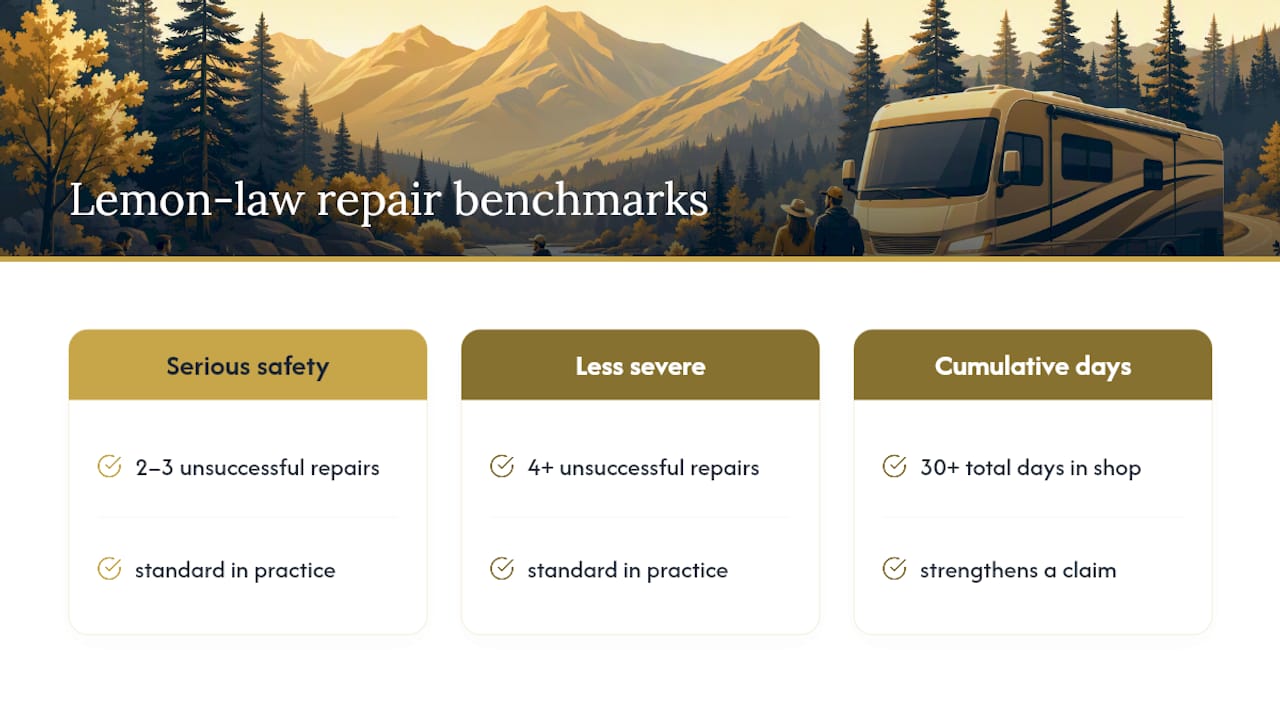
Beyond AB 1755, courts look at whether the manufacturer had a “reasonable number of attempts” to fix the problem. There is no fixed magic number, but two or three unsuccessful repairs for a serious safety defect, or four or more for a less severe one, tends to satisfy that standard in practice. Cumulative days out of service also count. Thirty or more total days in the shop across the life of your warranty is a common benchmark that strengthens a claim, even if no single repair visit ran that long.
California also imposes a general statute of limitations on breach of warranty claims, separate from AB 1755’s one-year filing trigger. Waiting to “see if it gets better” is the single most common way owners lose leverage. Electrical problems in particular tend to recur intermittently, which makes early documentation even more important since the defect might not be reproducible on demand months later.
How Do You Document a Forest River Defect for a Claim?
Strong documentation turns a frustrating repair history into evidence a manufacturer cannot easily dispute. Start collecting records the moment a defect appears, not after the third failed repair.
- Save every repair order and service invoice, including ones the dealer calls “informal” or handles without paperwork.
- Write down the date, mileage, and a specific description of the defect every time it happens, even between repair visits.
- Keep all written correspondence with the dealer and Forest River, including emails, text messages, and service portal messages.
- Take photos and videos of the defect in action, especially intermittent problems like electrical flickering or water intrusion during rain.
- Log your trip dates and mileage so you can show how the defect affected actual use of the RV.
Do not let a dealer talk you into trading in or selling the RV to “resolve” the issue. That can eliminate your claim entirely. If you’re gathering evidence for a formal demand, a solid pre-suit package includes written notice of the defect, copies of every repair record, your requested remedy, and confirmation that you’ve given the manufacturer the statutory 30-day window to respond before civil penalties come into play.
Pro Tip: Request a copy of the dealer’s internal repair history, not just your customer-facing invoice. Dealers often log more detail internally, including parts ordered and technician notes, than what ends up on the paperwork you’re handed at pickup.
When Should You Call a California RV Lemon Law Attorney?
Call an attorney once you’ve had the same defect repaired more than once without a lasting fix, or once a single visit has kept your RV out of service for weeks. Safety-critical failures, such as brake or steering problems on the chassis side, warrant a call even after just one failed repair.
An experienced RV lemon law attorney also earns their value when a claim involves both a chassis manufacturer and Forest River as the coach builder, since each may try to point at the other. The same is true when a dealer’s conduct during the sale, not just the RV’s defects, looks like fraud.
Firms that handle these claims on contingency charge no upfront fee. The firm advances case costs and recovers its statutory attorney fees from the manufacturer if the case succeeds, so you are never paying out of pocket to pursue a legitimate claim.
How Long Does a Forest River Lemon Law Claim Take?
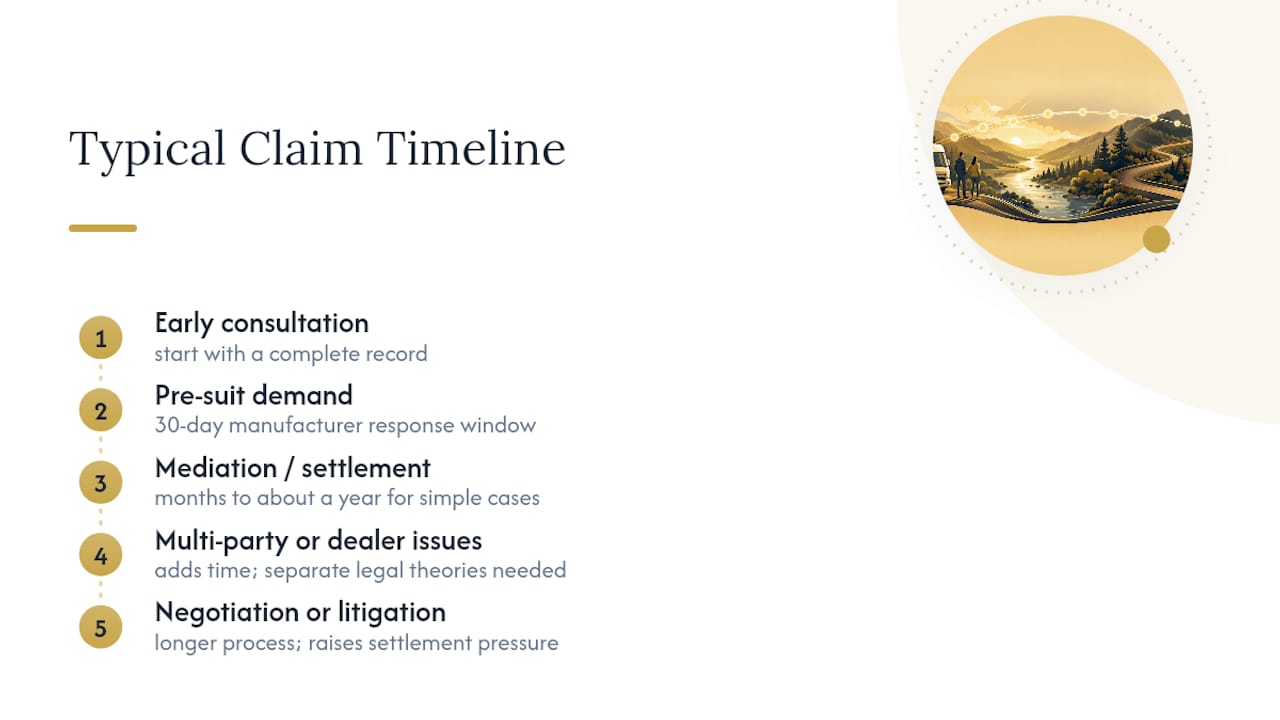
Most claims resolve in a few months to about a year, depending on how many manufacturers are involved and whether the case settles through a pre-suit demand or requires litigation. A straightforward coach-only defect against Forest River, with clean documentation, can sometimes resolve through mediation within a matter of months.
Claims that involve both a chassis manufacturer and Forest River tend to run longer because each side needs to evaluate its own share of responsibility before agreeing to a settlement number. Add a dealer fraud component, such as a misrepresented sale, and the timeline extends further since it may require separate legal theories.
The pre-suit demand stage itself typically includes a 30-day response window for the manufacturer before civil penalty exposure increases. If that demand doesn’t produce a fair offer, the case moves into negotiation or litigation, which naturally adds time but also increases pressure on the manufacturer to resolve the dispute rather than face a jury.
Owners who wait months to consult an attorney after a defect first appears often lose time they didn’t need to lose. Early documentation and an early legal consultation tend to compress the overall timeline because the case starts with a complete record instead of one built after the fact.
What Does a Forest River Lemon Law Claim Cost?
A properly handled lemon law claim should cost you nothing out of pocket. California’s lemon law statute allows a successful claimant’s attorney to recover fees and costs directly from the manufacturer, which is why reputable RV lemon law firms work entirely on contingency.
That means the firm advances filing fees, expert costs if needed, and other case expenses while your claim is pending. If the case settles or wins at trial, those costs come out of the manufacturer’s payment to your attorney, not out of your recovery. If the case does not succeed, you typically owe nothing.
The real cost most owners underestimate is the cost of waiting: extra repair visits, storage fees while the RV sits at a dealer, and lost use of a vehicle you’re still making payments on. Every month spent hoping a defect resolves itself is a month you could have spent building a documented claim instead.
What Defenses Do Forest River and Dealers Commonly Raise?
Manufacturers frequently argue that a defect resulted from owner misuse, unauthorized modifications, or normal wear rather than a manufacturing defect. This defense shows up often with slide-out and leveling jack complaints, where the manufacturer claims improper leveling or overloading caused the failure.
Another common defense is arguing that the number of repair attempts was not yet “reasonable” under the statute, essentially buying time by suggesting the owner didn’t give the dealer enough chances to fix the problem. Manufacturers may also argue that a defect is a known industry characteristic rather than a defect, particularly with minor water seepage or cosmetic issues.
Dealers sometimes claim that repair delays were caused by parts backorders outside their control, which can be true but doesn’t erase the days the RV spent out of service. Knowing which defense a manufacturer typically raises for a given defect type helps counsel prepare a rebuttal before the manufacturer even files it.
How Do You Negotiate a Settlement With Forest River or a Dealer?
Effective negotiation starts with a complete, well-organized record, not with anger on the phone with customer service. A written pre-suit demand that lays out every repair date, every days-out-of-service count, and a specific requested remedy puts pressure on the manufacturer to respond seriously rather than stall.
Manufacturers and dealers routinely lowball an early cash offer to close a claim before the owner understands the difference between a repurchase calculation and a quick settlement number. Comparing any offer against what a statutory buyback would actually pay, factoring in the mileage offset, gives you a real baseline instead of guessing whether an offer is fair.
Leverage matters more than tone. A demand backed by documented repair history and a clear remedy request tends to move faster than one built on frustration alone, because it shows the manufacturer you’re prepared to escalate if the offer falls short. Owners negotiating alone often accept the first number offered simply because they don’t know what a fair settlement range looks like for their defect pattern and days out of service.
Attorney Perspective: How Defense-Side Experience Helps Forest River RV Owners
Eleven years defending manufacturers taught me exactly which defenses get raised for which defect types, and in what order. That knowledge shortens negotiations because we can preempt the argument before it’s made rather than react to it. It also means clients talk directly with me, not a case manager reading from a script. No attorney can promise a specific outcome, but knowing how the other side builds its file changes how fast a fair resolution happens.
— Jeff Le Pere
How The Law Offices of Jeffrey Le Pere Handles Forest River Claims
Most lemon law firms hand you off to a case manager and advertise a settlement mill. The Law Offices of Jeffrey Le Pere does the opposite: you talk directly to the attorney handling your case, and that attorney spent 11 years defending manufacturers before switching sides, which means he already knows the defenses Forest River and chassis manufacturers are likely to raise before they raise them.
The Law Offices of Jeffrey Le Pere represents California owners of motorhomes, fifth wheels, and travel trailers on contingency, meaning you pay nothing upfront and the firm advances case costs while pursuing a repurchase, replacement, or cash settlement on your behalf. If dealer misrepresentation was part of how you bought the RV, the firm’s dealer fraud practice can evaluate that angle alongside your warranty claim.
For a free case review, bring your repair orders, service invoices, dated notes on the defect, correspondence with the dealer or Forest River, and photos or videos of the problem. That’s enough for an initial evaluation of whether your Forest River RV qualifies under California’s RV lemon law and what remedy makes sense given your repair history. Visit Rvautolegalteam to start your free case review today.
Sources
For statutory detail on how Song-Beverly applies to RVs, see findlemonlaw.com’s RV coverage overview and West Coast Trial Lawyers’ RV lemon law guide. For brand-specific defect patterns, review the firm’s RV brands lemon law guide and motorhome defect categories.
This article is general information, not a substitute for advice from a qualified lawyer. Consult a qualified legal professional about your own circumstances before acting on anything here.
FAQ
Does California Lemon Law Cover Forest River RVs?
Yes. The Song-Beverly Consumer Warranty Act covers motorhomes and travel trailers, and Forest River is commonly named in California claims involving coach-level defects like slide-outs, electrical systems, and water intrusion.
What Is AB 1755 and How Does It Affect My Claim?
AB 1755 shortens your filing window by tying it to your warranty’s expiration date, generally requiring you to file within one year after the warranty ends rather than waiting indefinitely.
How Many Repair Attempts Qualify as a Lemon in California?
There’s no fixed number, but two or three failed attempts for a serious safety defect, or roughly four for a less severe issue, along with 30 or more cumulative days out of service, commonly meets the “reasonable number of attempts” standard.
Does Hiring a Lemon Law Attorney Cost Anything Upfront?
No. Firms handling these claims on contingency advance all case costs and recover statutory attorney fees from the manufacturer only if the case succeeds, so you pay nothing out of pocket to pursue a valid claim.
What Can I Recover if My Forest River RV Qualifies as a Lemon?
You can typically recover a full repurchase minus a mileage offset, a replacement unit, or a cash settlement, plus civil penalties of up to two times your actual damages if the manufacturer willfully ignored its warranty obligations.