Days Out of Service Lemon Law Benefits: What Owners Need

Cumulative days your vehicle spends out of service can create a legal presumption that it is a lemon, and that presumption can trigger remedies including a full refund, a replacement vehicle, a cash settlement, and in some states civil penalties on top of actual damages. Under California’s Song-Beverly Consumer Warranty Act, a statutory presumption arises when a vehicle is out of service for more than 30 calendar days due to warranty-covered defects within the first 18 months or 18,000 miles of ownership. Other states set the bar differently: New Jersey guidance allows a certified final-chance letter after 20 cumulative calendar days out of service, and Washington State requires a cumulative total of 30 calendar days out of service with at least 15 of those days within the manufacturer’s written warranty period.
The remedies available once a vehicle qualifies include:
- Repurchase or refund: The manufacturer buys back the vehicle and reimburses your purchase price, taxes, fees, and finance charges, minus a mileage offset.
- Replacement vehicle: A comparable new vehicle substituted for the defective one.
- Cash settlement: A negotiated payment in lieu of a buyback or replacement.
- Civil penalties: Under Song-Beverly, a manufacturer that willfully violated its warranty obligations can owe up to two times actual damages on top of the refund.
California owners face a critical new deadline under AB 1755, effective April 1, 2025: you must file a lemon law action within a defined period after your warranty expires, and no later than several years from the original delivery date. Missing that window can forfeit every one of those remedies.
Table of Contents
- How do states calculate days out of service for lemon law?
- How do state thresholds differ, and where does your state stand?
- What does a legal presumption actually do to your case?
- What records do you need to prove cumulative days out of service?
- What filing deadlines and warranty windows apply to your claim?
- What remedies can you recover when cumulative days trigger lemon law protection?
- What steps should you take if your vehicle is approaching the days threshold?
- AB 1755 deep dive: what California owners and attorneys need to know
- Key Takeaways
- Why manufacturers win on documentation, not on the merits
- A free case review costs you nothing and could recover everything
- Authoritative sources and further reading
How do states calculate days out of service for lemon law?
The clock starts the moment you surrender your vehicle to the service department and stops when the work is completed and the vehicle is returned to you. That is the standard counting rule confirmed by Georgia’s consumer protection guidance, and it applies consistently across most state frameworks.
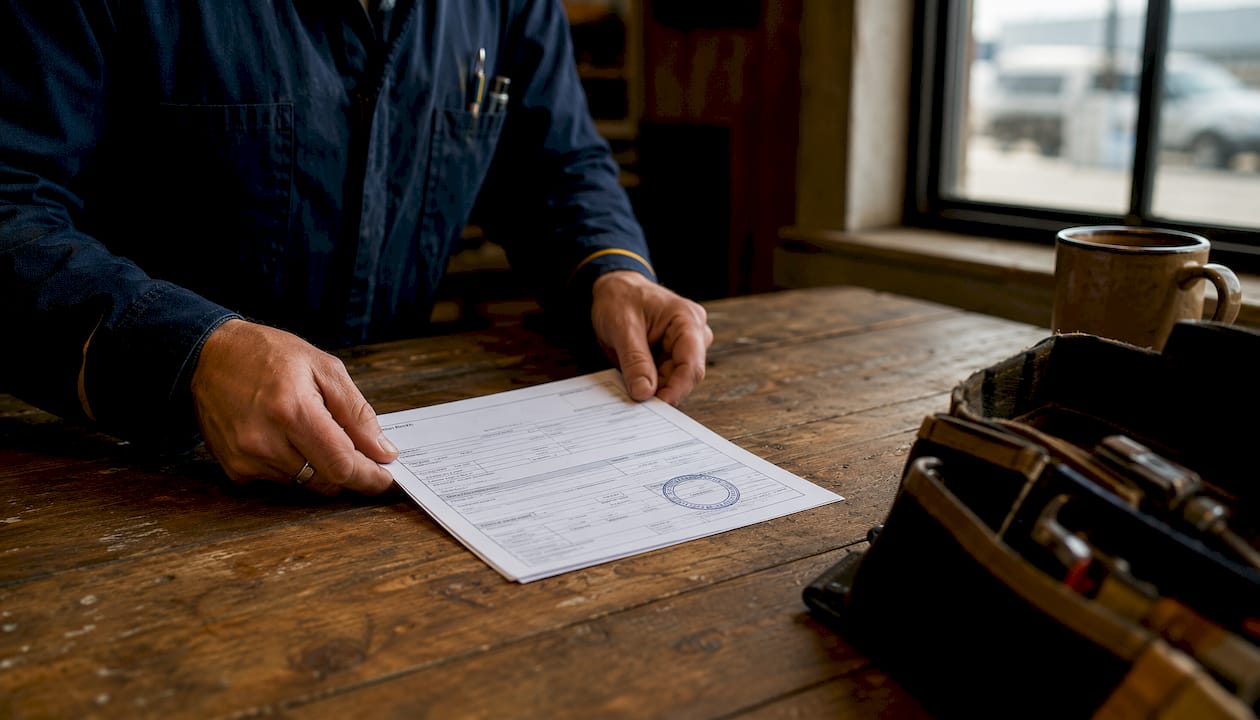
Several things are included in the count that owners often miss. Weekends and holidays count. Days spent waiting for a backordered part count, because the vehicle is still in the shop’s custody. Time the vehicle spends at a tow yard or transport provider while under repair custody counts. The key question is always: who has physical possession of the vehicle?
What does not count is equally important. If you request a delay, for example, asking the dealer to hold the repair until after a holiday trip, those owner-caused postponement days are typically excluded. Days when you are driving a loaner or a temporary substitute vehicle do not extend the out-of-service count, because you have use of transportation and the vehicle is not technically in your custody for purposes of the calculation.
Counting across multiple visits works by simple addition. A five-day visit in January, a twelve-day visit in March, and a fifteen-day visit in May sum to 32 days, which clears California’s 30 calendar day threshold even though no single visit was long enough on its own. The California Department of Consumer Affairs confirms that days need not be consecutive to count toward the total.
Pro Tip: Ask the service advisor to stamp both the drop-off date and the completion date on every repair order before you leave the lot. A repair order that shows only a “repair date” without a clear in and out timestamp is one of the most common documentation gaps manufacturers exploit in disputes.
How do state thresholds differ, and where does your state stand?
Thresholds vary, but most states cluster around 20, 30, or 30 business days depending on the statute or agency guidance. The distinction between calendar days and business days matters more than most owners realize. Thirty business days can translate to six or more calendar weeks, which is a much longer wait before the presumption kicks in.
California’s Song-Beverly Act uses 30 calendar days, making it one of the more consumer-friendly standards in the country. New Jersey’s guidance sets 20 cumulative calendar days as the trigger for sending a certified final-chance letter after at least two repair attempts. Washington State requires 30 or more cumulative calendar days, with at least 15 of those days occurring during the manufacturer’s written warranty period, and the consumer must have sent a written repurchase or replacement request to the manufacturer.
Most states also require that the out-of-service days occur within the warranty period, not after it expires. Some states layer repair-attempt requirements on top of the days-based rule, meaning you may need both a minimum number of repair attempts and a minimum number of days before the presumption applies.
| State | Threshold | Day Type | Notes |
|---|---|---|---|
| California | 30 days | Calendar | Within first 18 months or 18,000 miles under Song-Beverly presumption |
| New Jersey | 20 days | Calendar | Triggers right to send certified final-chance letter after 2+ repair attempts |
| Washington | 30 days (15 within warranty) | Calendar | Consumer must also send written repurchase/replacement request |
| Minnesota | 30 days | Business | Days must fall within warranty period; repair attempts may also apply |
What does a legal presumption actually do to your case?
A legal presumption in lemon law means that once your vehicle’s out-of-service days cross the statutory threshold, the law presumes the manufacturer has failed to conform the vehicle to its warranty. You do not have to prove the vehicle is defective in the same exhaustive way you would without the presumption. The burden shifts.
Practically, that shift means the manufacturer must either rebut the presumption or offer restitution or replacement. Rebutting it requires the manufacturer to show that the defect does not substantially impair the vehicle’s use, value, or safety, or that the days were caused by owner delays or conditions beyond the manufacturer’s control. California’s civil jury instruction CACI No. 3205 acknowledges that repairs must be completed within 30 days, but also notes that delays beyond the defendant’s control can extend that period, which is one of the defenses manufacturers raise.
When a vehicle crosses the days-out threshold under Song-Beverly, the manufacturer cannot simply ignore the claim. The presumption forces a response, and an inadequate response opens the door to civil penalties for willful noncompliance.
The presumption is rebuttable, which means it is not automatic victory. Manufacturers regularly dispute the day count by pointing to owner-requested delays, arguing that certain days involved unrelated repairs, or contesting whether the defect substantially impaired the vehicle. That is why documentation is the deciding factor in most cases.
What records do you need to prove cumulative days out of service?
Your evidence package needs to show, date by date, exactly when the vehicle left your possession and when it came back. Without that paper trail, even a valid claim can stall.
Must-have documents include:
- Repair orders showing both the drop-off date and the completion date, with the defect description and repair order number on each.
- Loaner vehicle agreements that show the dates you received and returned the loaner, which helps confirm the vehicle was in the shop’s custody during that period.
- Tow receipts and storage records if the vehicle was towed to or from the dealership.
- Written communications with the dealer or manufacturer, including emails, texts, and certified mail receipts.
- Parts backorder notices or written confirmations that the vehicle was held waiting for parts.
For overlapping or simultaneous repairs at different shops, document each location separately and note the custody chain. If a dealer sends a component to a specialty shop, get written confirmation of the transfer date and return date.
Here is a simple timeline template you can copy for each repair visit:
- Date vehicle was dropped off (include time if possible).
- Date vehicle was returned to you (include time if possible).
- Odometer reading at drop-off and at return.
- Description of the defect you reported.
- Repair order number.
- Name of the service advisor and dealership location.
- Who had physical custody of the vehicle throughout.
If you are missing dates from older visits, request certified copies of all repair invoices directly from the dealership’s service department. Dealers are generally required to retain repair records, and a written request creates a paper trail if they resist.
Pro Tip: On every drop-off and pick-up, photograph the VIN plate, the odometer, and the repair order itself. A timestamped photo on your phone is independent evidence that no one can alter after the fact.
What filing deadlines and warranty windows apply to your claim?
The out-of-service days must accumulate during the warranty period to count toward the statutory presumption. Under Song-Beverly, the presumption language commonly references the first 18 months or 18,000 miles of ownership. Days that pile up after the warranty expires generally do not count toward the threshold, though they may still be relevant to other aspects of a claim.
California’s AB 1755, effective April 1, 2025, created two hard filing deadlines that did not exist before. A lemon law action must be filed within one year after the expiration of the applicable express warranty. In no event can the action be filed later than six years after the original delivery date of the vehicle. Both limits are subject to tolling provisions, including tolling for the time the vehicle is out of service for repair and for the period after a pre-suit notice is sent to the manufacturer, up to 60 days.
A practical timeline for California owners looks like this:
- Defect occurrence: Document it immediately with a written repair order.
- Warranty term: Track when your express warranty expires; that date starts the one-year filing clock under AB 1755.
- Days-out threshold: Monitor cumulative days; once you approach 30 calendar days, the presumption window is near.
- Pre-suit notice: Send written notice to the manufacturer at least 30 days before filing for civil penalties.
- Filing deadline: File no later than one year after warranty expiration, and no later than six years from delivery.
Owners who miss the filing window lose the right to seek a refund, replacement, or civil penalties under California law. That is not a recoverable mistake.
What remedies can you recover when cumulative days trigger lemon law protection?
The core remedies under California’s Song-Beverly Act are a repurchase, a replacement, or a cash settlement. Each works differently, and the right choice depends on your financing situation and how much you want to stay in the vehicle.

A repurchase means the manufacturer refunds your full purchase price, including sales tax, registration fees, and finance charges paid to date, minus a mileage offset calculated from the miles you drove before the first repair attempt. If you are upside down on a loan, the manufacturer’s obligation covers the contract price, not necessarily the outstanding loan balance, so negative equity requires careful attention in the settlement calculation.
A replacement vehicle is a comparable new vehicle. Manufacturers sometimes prefer this option because it avoids the cash outlay of a full refund, but you have the right to refuse a replacement and insist on a buyback if that is what the statute provides.
Under Song-Beverly Civil Code section 1794, a manufacturer that willfully fails to comply with its warranty obligations can be ordered to pay a civil penalty of up to two times the amount of actual damages. That penalty is separate from, and in addition to, the refund or replacement.
Used vehicles present a more complicated picture. California’s lemon law protections under Song-Beverly apply primarily to new vehicles sold with a manufacturer’s express warranty. Used vehicles may qualify if they are still within the original manufacturer’s warranty period at the time of purchase, but the analysis is fact-specific. During the manufacturer’s response window under AB 1755, you must maintain possession of the vehicle. If the manufacturer does not offer restitution or replacement within 30 days of receiving your notice, you may sell the vehicle and still pursue remedies, including civil penalties.
What steps should you take if your vehicle is approaching the days threshold?
Act before you hit the threshold, not after. The documentation and notice steps below apply whether you are at 20 days or already past 30.
- Assemble your repair history. Pull every repair order from every visit and build the timeline template described above. Calculate your running total of out-of-service days.
- Send a written notice to the manufacturer. Under AB 1755, California owners who want to preserve the right to civil penalties must send a written pre-suit notice at least 30 days before filing. That notice must demand restitution or replacement and include specific information about the vehicle and the defects. Send it by certified mail with return receipt.
- Maintain possession of the vehicle. After the manufacturer receives your notice, you must keep the vehicle for at least 30 days. If the manufacturer offers restitution or replacement, hold the vehicle for the full 60 days after receipt of your notice.
- Evaluate the manufacturer’s response. If the manufacturer makes an offer within 30 days and completes the transaction within 60 days, the civil penalty pathway closes. If the manufacturer fails to respond or the offer is inadequate, you may proceed to file a civil action, including a claim for civil penalties.
If you want attorney assistance at any point in this process, a free case review with The Law Offices of Jeffrey Le Pere can help you evaluate your timeline and identify the strongest remedy path.
AB 1755 deep dive: what California owners and attorneys need to know
AB 1755 is the most significant structural change to California lemon law procedure in decades. Signed into law and effective April 1, 2025 for its pre-suit framework, it rewrites how consumers must approach a claim before they can file in court.
The pre-suit notice requirement is the centerpiece. Before seeking civil penalties under Civil Code section 1794©, a consumer must send the manufacturer a written notice that demands restitution or replacement and includes a specific set of disclosures: vehicle identification, defect history, repair records, and the consumer’s request. The notice triggers a 30-day window in which the manufacturer must respond with an offer of restitution or replacement. If the manufacturer makes a qualifying offer, the transaction must be completed within 60 days of the manufacturer’s receipt of the original notice. Failure to complete within that window triggers a mandatory penalty of $50 per day until the settlement closes, unless the parties agree otherwise.
The tolling provisions matter for deadline calculations. The one-year post-warranty filing clock is tolled for the time the vehicle is out of service for repair and for the period after the pre-suit notice is sent, up to 60 days. That means a vehicle that spent significant time in the shop may give the owner more runway than the raw warranty expiration date suggests.
AB 1755 raises the stakes for procedural compliance on both sides. A consumer who skips the pre-suit notice or fails to maintain possession during the statutory window can lose the right to civil penalties entirely, even if the underlying claim is strong.
Manufacturers are already using AB 1755’s procedural requirements as a defense. Common rebuttals include arguing that the notice was deficient, that the consumer failed to maintain possession, or that the offer made within 30 days was adequate and the consumer’s rejection was unreasonable. Precise notice content and a documented possession record are the two things that neutralize those arguments.
Pro Tip: Send your AB 1755 pre-suit notice by certified mail with return receipt and keep a copy of the complete notice package, including every enclosure. The 30-day manufacturer response window starts on the date of receipt, not the date you mailed it, so the return receipt card is your proof of the trigger date.
For a detailed breakdown of how AB 1755 changes the one-year filing window, the firm’s blog covers the mechanics step by step.
Key Takeaways
Cumulative days out of service create a legal presumption under statutes like Song-Beverly that shifts the burden to the manufacturer, and owners who document every repair visit with precise in and out dates hold the strongest position when that presumption applies.
| Point | Details |
|---|---|
| Document every repair visit | Record drop-off date, return date, odometer, defect description, and repair order number for each visit. |
| Know your state’s threshold | California requires 30 calendar days under Song-Beverly; New Jersey guidance sets 20 cumulative calendar days; Washington requires 30 calendar days with 15 within the warranty period. |
| Three core remedies are available | Qualifying owners can seek a refund, a replacement vehicle, or a cash settlement; civil penalties up to two times actual damages are possible in California. |
| AB 1755 filing deadlines are firm | California owners must file within one year of warranty expiration and no later than six years from original delivery; pre-suit notice is required before seeking civil penalties. |
| The Law Offices of Jeffrey Le Pere | Offers free case reviews on contingency for RV and auto lemon law claims under Song-Beverly and AB 1755. |
Why manufacturers win on documentation, not on the merits
Having spent 11 years defending manufacturers before switching to the consumer side, I can tell you that the vast majority of strong lemon law claims that go sideways do so because of documentation gaps, not because the vehicle was not actually defective.
Manufacturers do not concede day counts. Their first move in any days-out dispute is to audit the repair orders and look for owner-caused delays, unrelated repairs mixed into the custody period, or dates that do not match their internal records. If your repair orders show only a “service date” with no clear in and out timestamp, their adjuster will argue the vehicle was in your possession for part of that period. That argument alone can knock days off your total and push you below the threshold.
RV cases are harder than car cases for exactly this reason. A motorhome or fifth wheel often involves multiple warranty components from different manufacturers, a chassis warranty separate from the coach warranty, and repairs that span weeks because specialty parts are not stocked locally. Owners sometimes accept a loaner or a courtesy vehicle during that wait, which can complicate the custody analysis if the paperwork is not precise. Most lemon law firms will not touch an RV claim because the multi-warranty structure requires a different analytical framework than a standard auto claim.
The civil penalty provision under Song-Beverly is the most underused tool in a consumer’s arsenal. Manufacturers know that a willfulness finding doubles their exposure, so a well-documented claim with a clean pre-suit notice record puts real pressure on them to resolve quickly and fairly. Owners who come in with a complete repair timeline, certified mail receipts, and a properly served AB 1755 notice are in a fundamentally different negotiating position than owners who show up with a stack of disorganized invoices. For RV owners specifically, the California RV lemon law process adds layers that require counsel familiar with the multi-warranty structure.
A free case review costs you nothing and could recover everything
If your vehicle has spent weeks in the shop and you are not sure whether you have crossed the threshold, The Law Offices of Jeffrey Le Pere offers a free case review that covers exactly that question. Jeff Le Pere reviews your repair timeline, identifies which remedy type fits your situation, and explains what the next procedural step looks like under AB 1755 or your state’s equivalent.

Every case the firm handles runs on contingency. You pay nothing out of pocket, and the manufacturer covers attorney fees and costs when the claim succeeds. That model applies to California RV lemon law claims covering motorhomes, fifth wheels, and travel trailers, as well as to auto lemon law claims for cars, trucks, and SUVs. Jeff Le Pere spent 11 years on the manufacturer’s side of these disputes, which means he knows exactly which arguments they will raise and how to counter them. To request your free case review, visit rvautolegalteam.com or call the firm directly.
This article is general educational information, not legal advice. Deadlines and eligibility rules vary by state and individual circumstances. Confirm the current rules with the primary statute or a qualified attorney for your specific situation.
Authoritative sources and further reading
The statutes, state consumer pages, and firm resources below are the primary references for the rules discussed in this article. Use the statute texts directly when calculating deadlines; do not rely on secondary summaries alone.
| Resource | What it covers |
|---|---|
| Song-Beverly Consumer Warranty Act | Full text of California’s lemon law, including the 30-day presumption and civil penalty provisions |
| AB 1755 bill text and key provisions | Pre-suit notice requirements, 30- and 60-day response windows, filing deadlines, and tolling rules |
| AB 1755 summary (California Air Resources Board) | Plain-language summary of AB 1755 pre-suit and filing window reforms |
| New Jersey Division of Consumer Affairs Lemon Law brochure | New Jersey’s 20-day threshold and certified final-chance letter process |
| Georgia Attorney General’s Consumer Protection Division | Georgia’s day-counting rules: drop-off to completion, weekends and holidays included |
| Washington State Attorney General General Lemon Law | Washington’s 30-day cumulative threshold and written repurchase request requirement |
| CACI No. 3205 (Justia) | California civil jury instruction on the 30-day repair completion standard and manufacturer defenses |
| California Department of Consumer Affairs Lemon Law Q&A | Practical definitions, non-consecutive day counting, and notice steps |
| Le Pere RV Law firm and author bio | Jeff Le Pere’s credentials, firm practice areas, and free case review |
Always verify current statute text before calculating deadlines, and preserve every repair record from the first service visit forward.